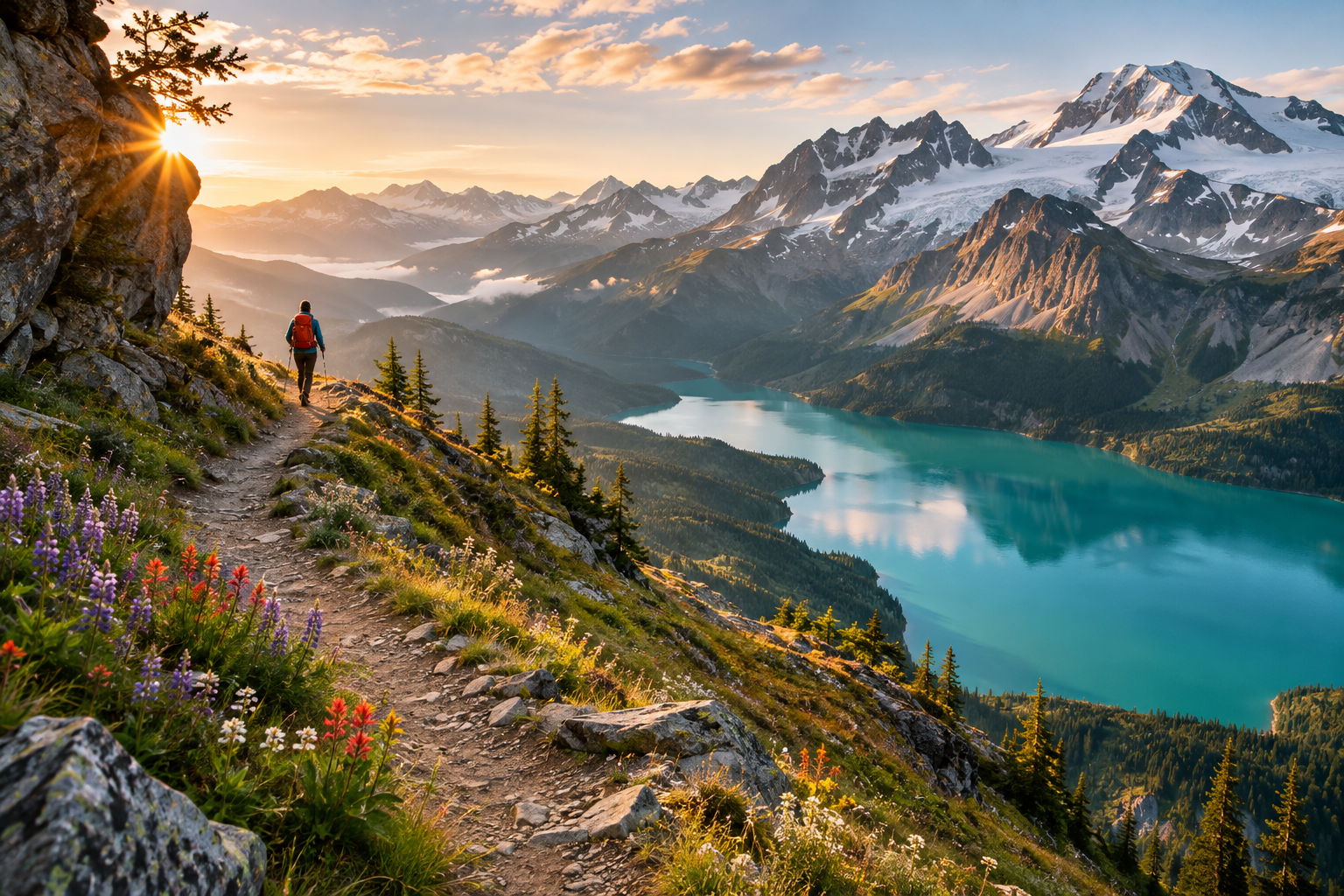
NOTE 01A route is more than a distance
A ten-kilometre day on a broad valley path is not the same as ten kilometres on exposed terrain. Review ascent, descent, surface and seasonal conditions. Check official advisories and talk to qualified local guides when needed. Plans should include a realistic alternative if weather changes. Do not treat an inspiring route photograph as evidence that a walk is suitable for every ability.
NOTE 02Be precise about lighter travel
Environmental claims should identify the action rather than rely on a vague label. Fewer transfers, appropriate public transport and longer stays may be useful choices, but their impact depends on the full journey. Respect protected-area rules, keep distance from wildlife and use established paths where required. Ask locally how to reduce pressure on popular places rather than assuming a remote destination has unlimited capacity.
NOTE 03Book with the practical details in view
Before paying, check who provides each service, what is included and which cancellation conditions apply. Travel documents, insurance, accessibility and local emergency arrangements need their own review. This journal does not sell packaged holidays or guarantee route conditions. Its planning notes are a starting point for current research, and any proposed trip should be checked against reliable information close to departure.